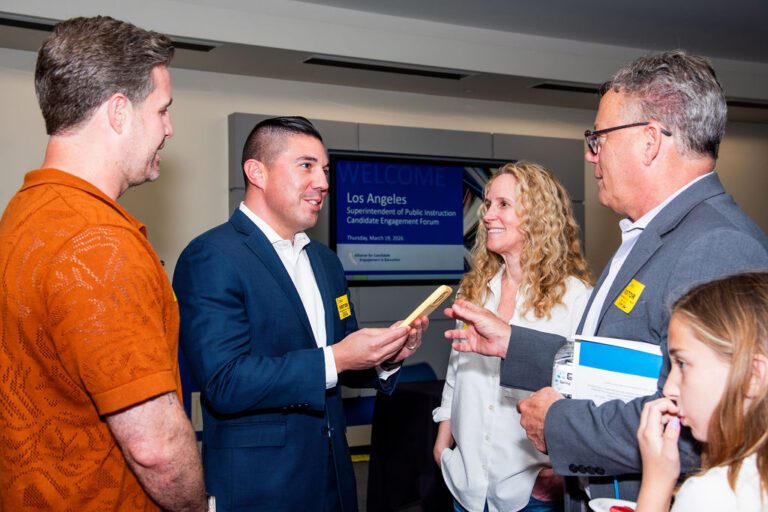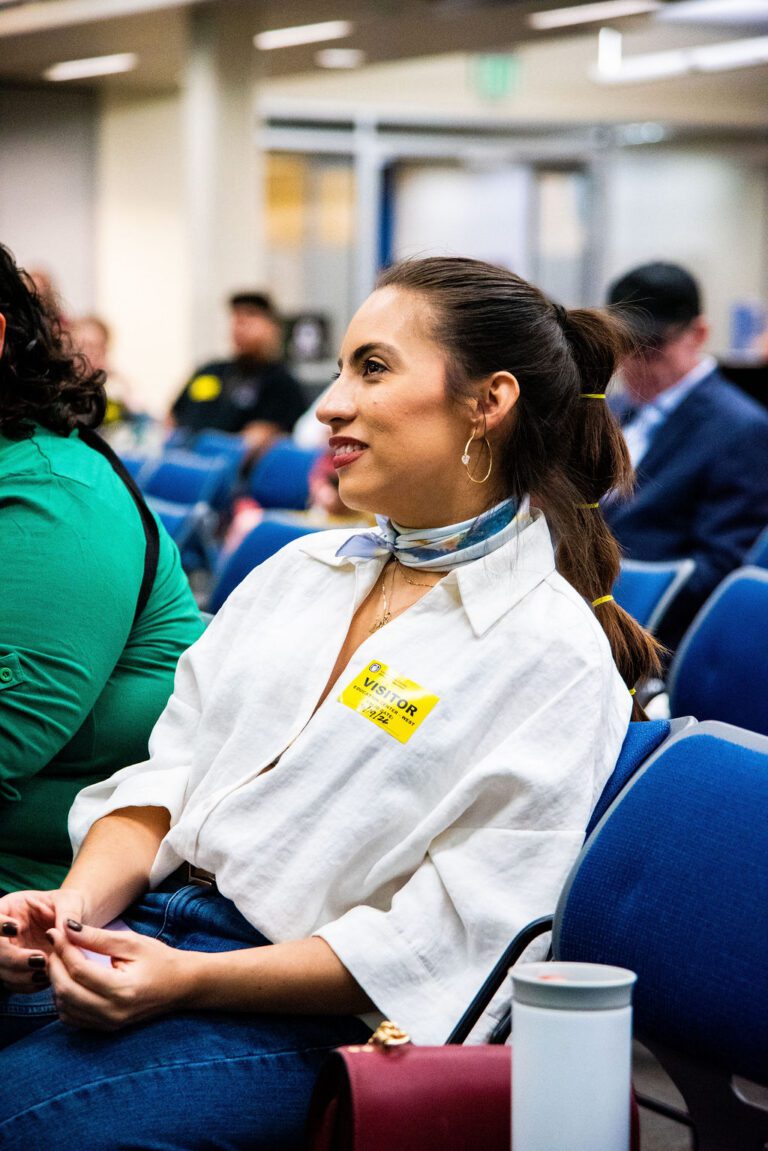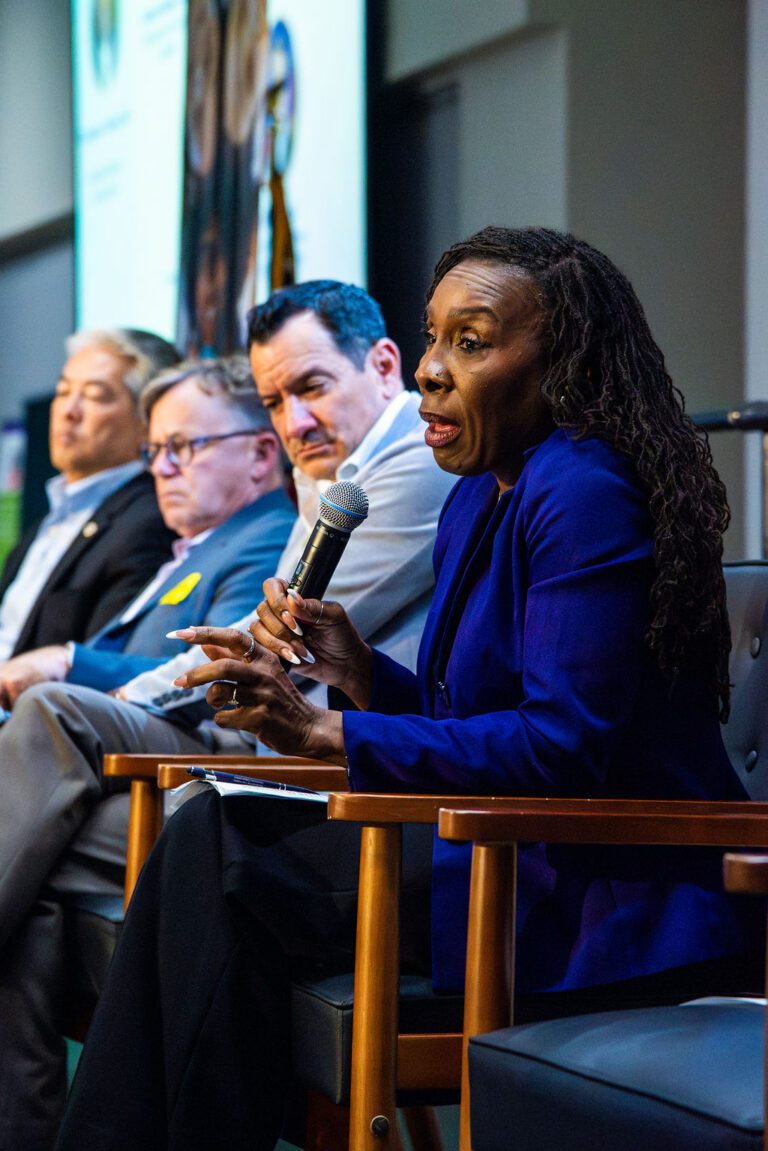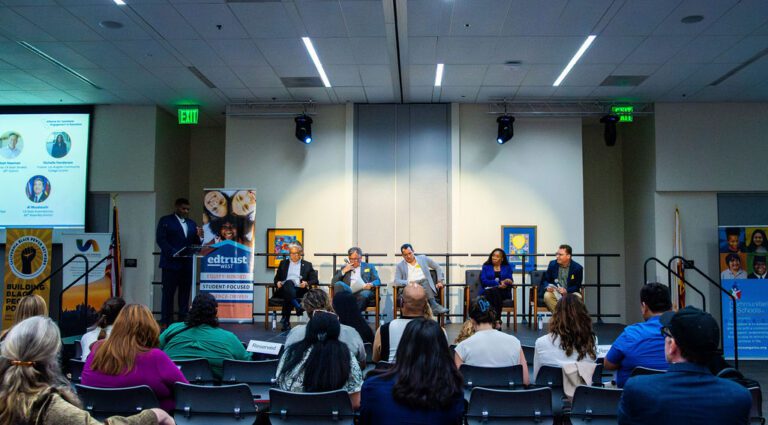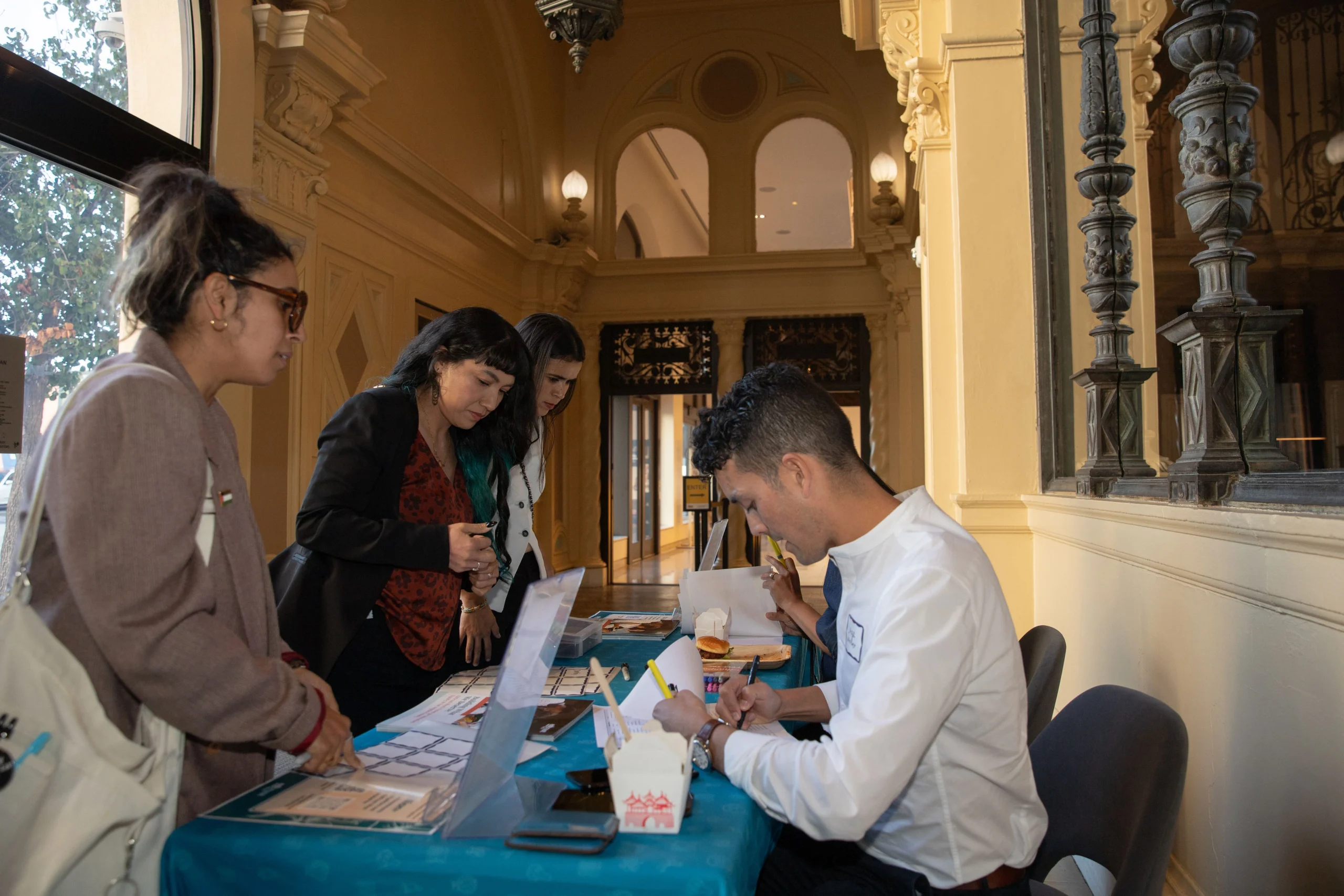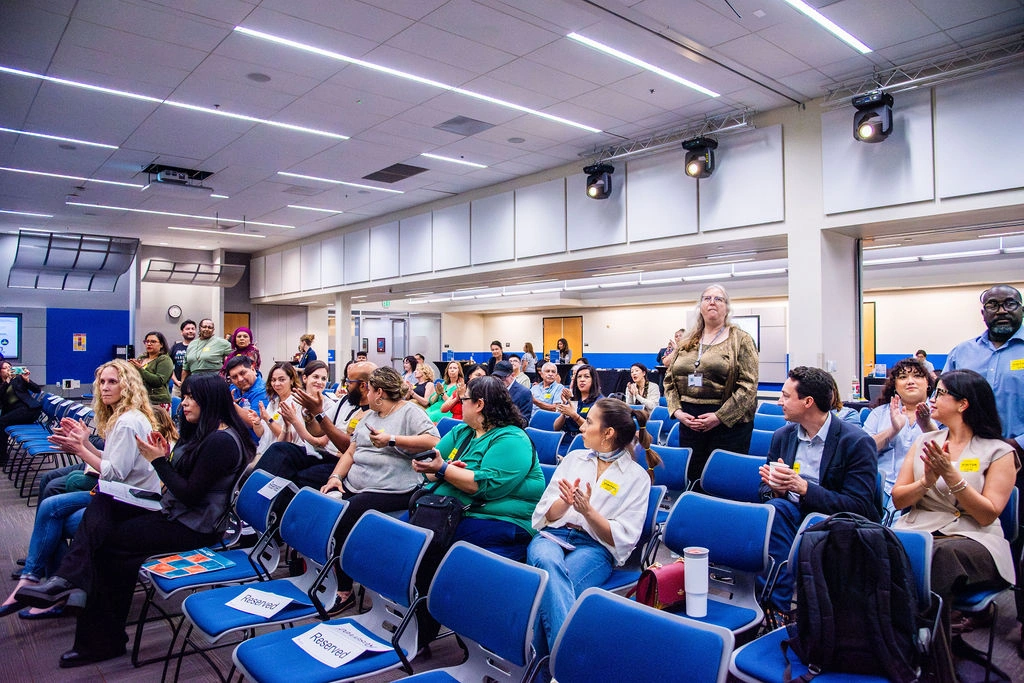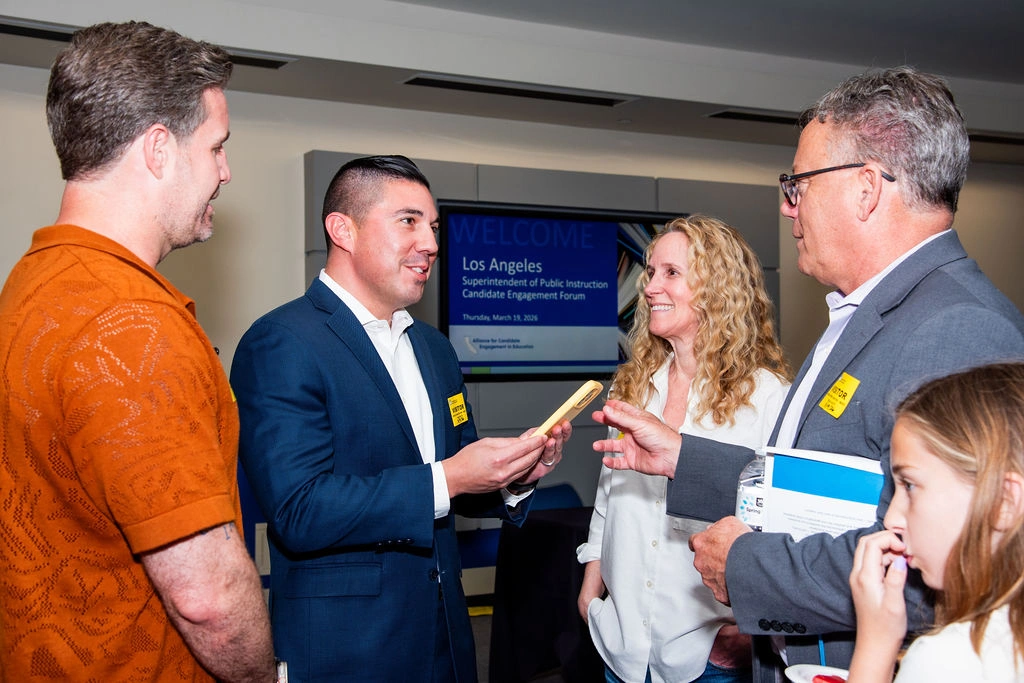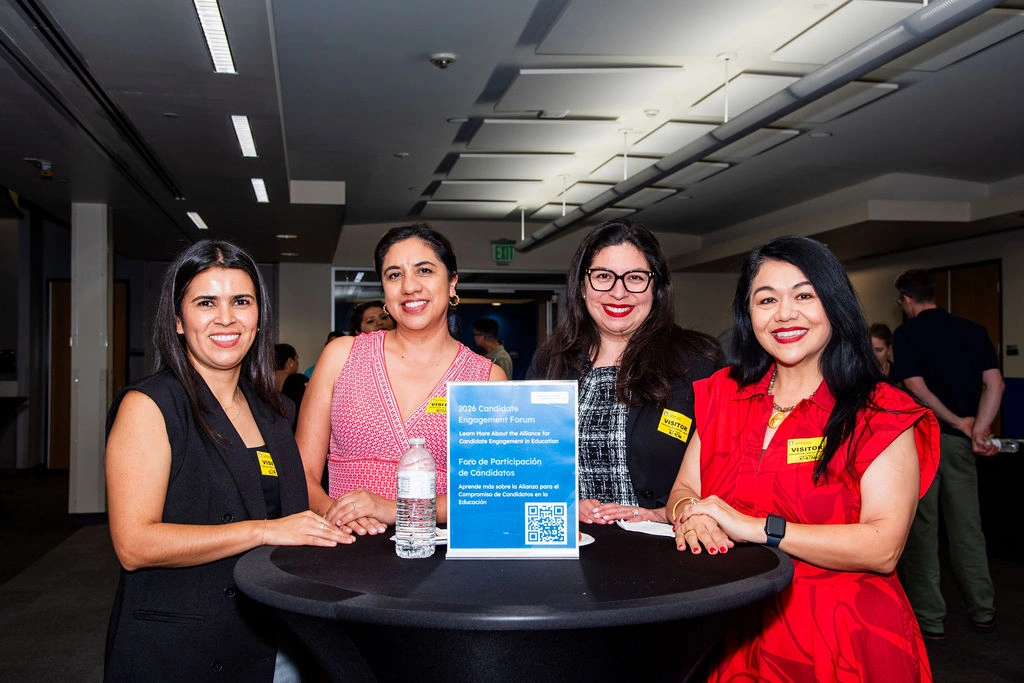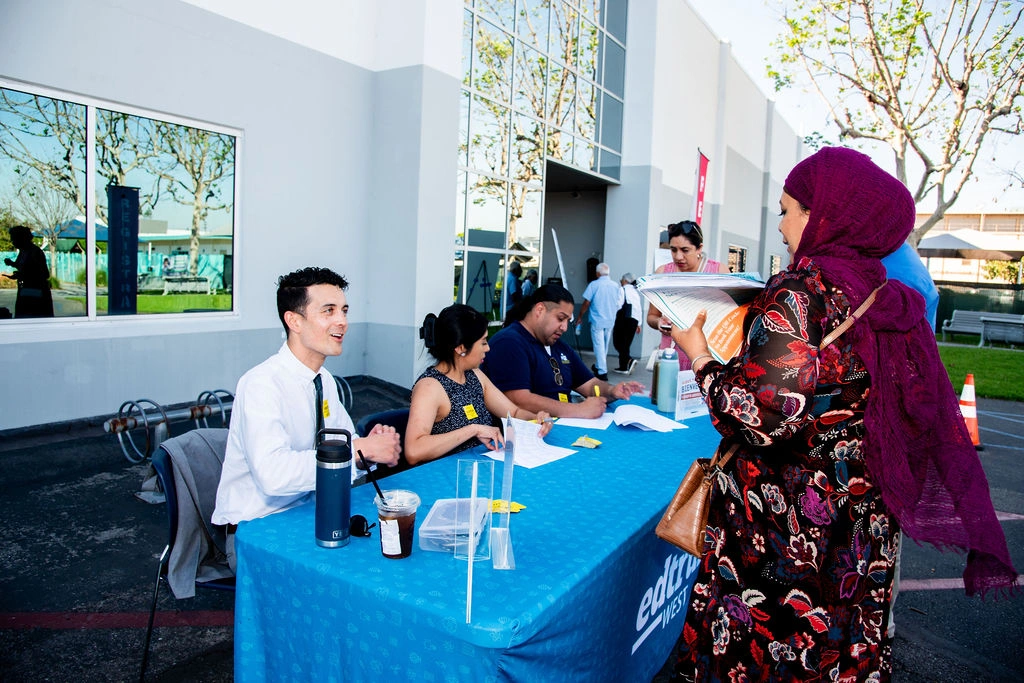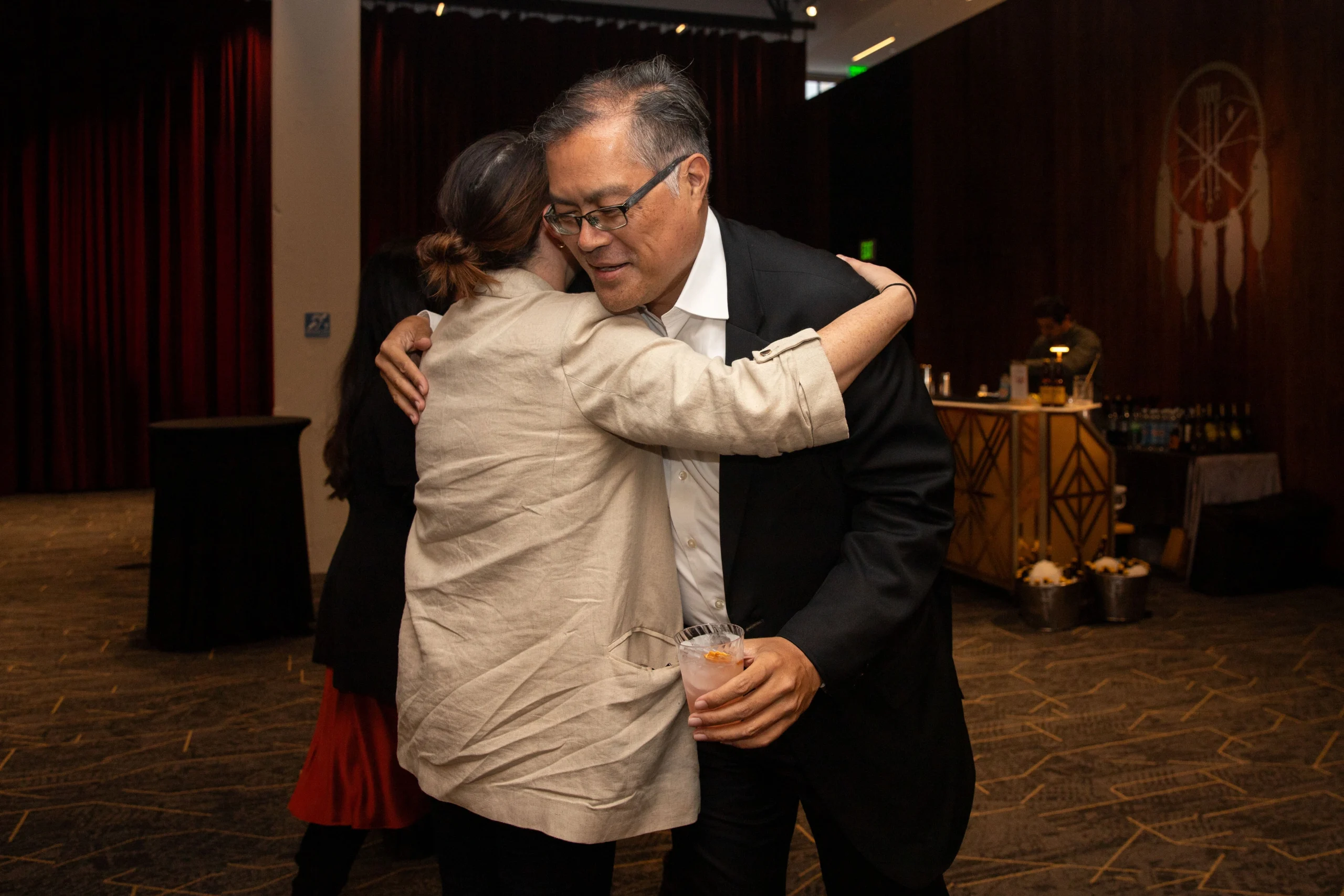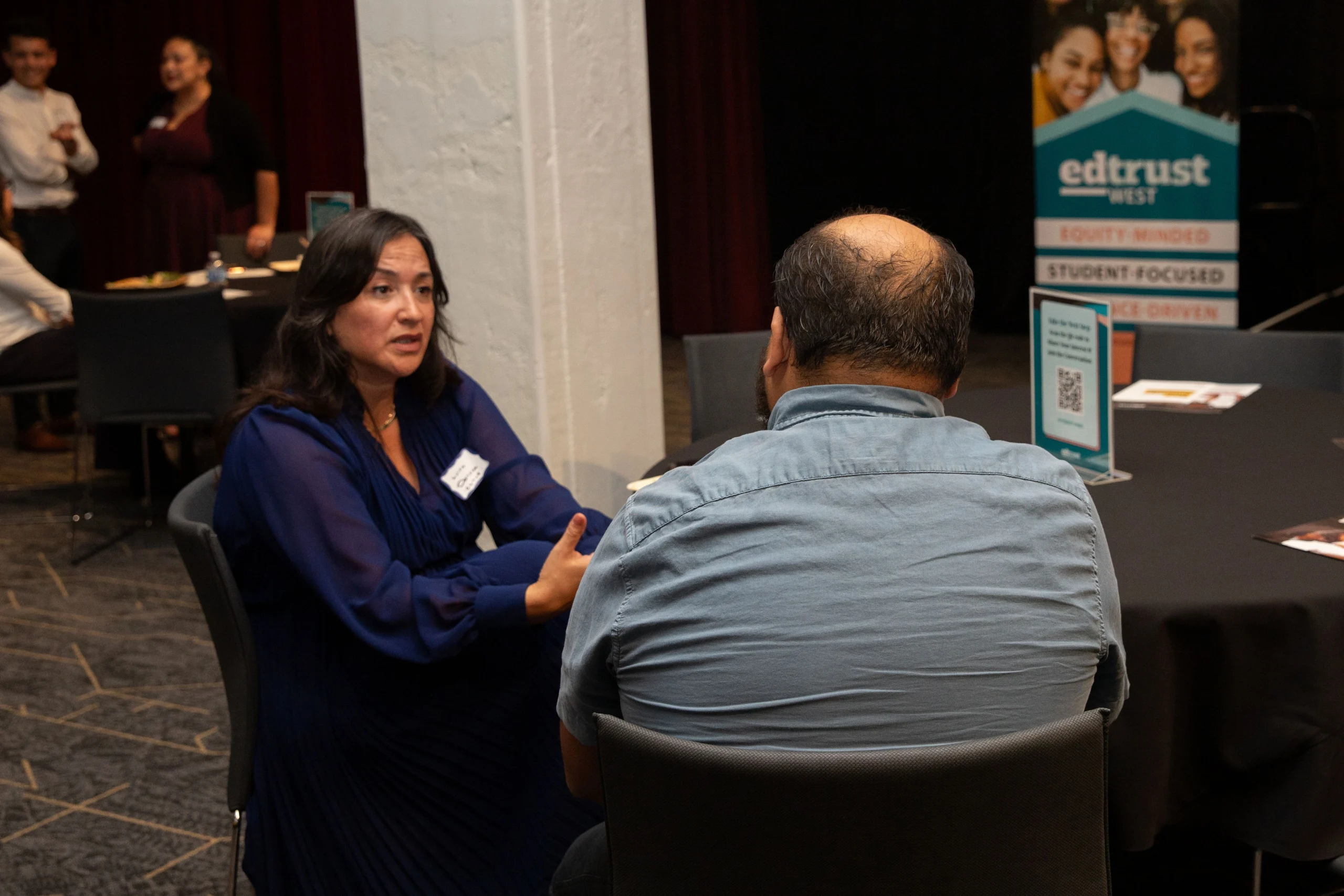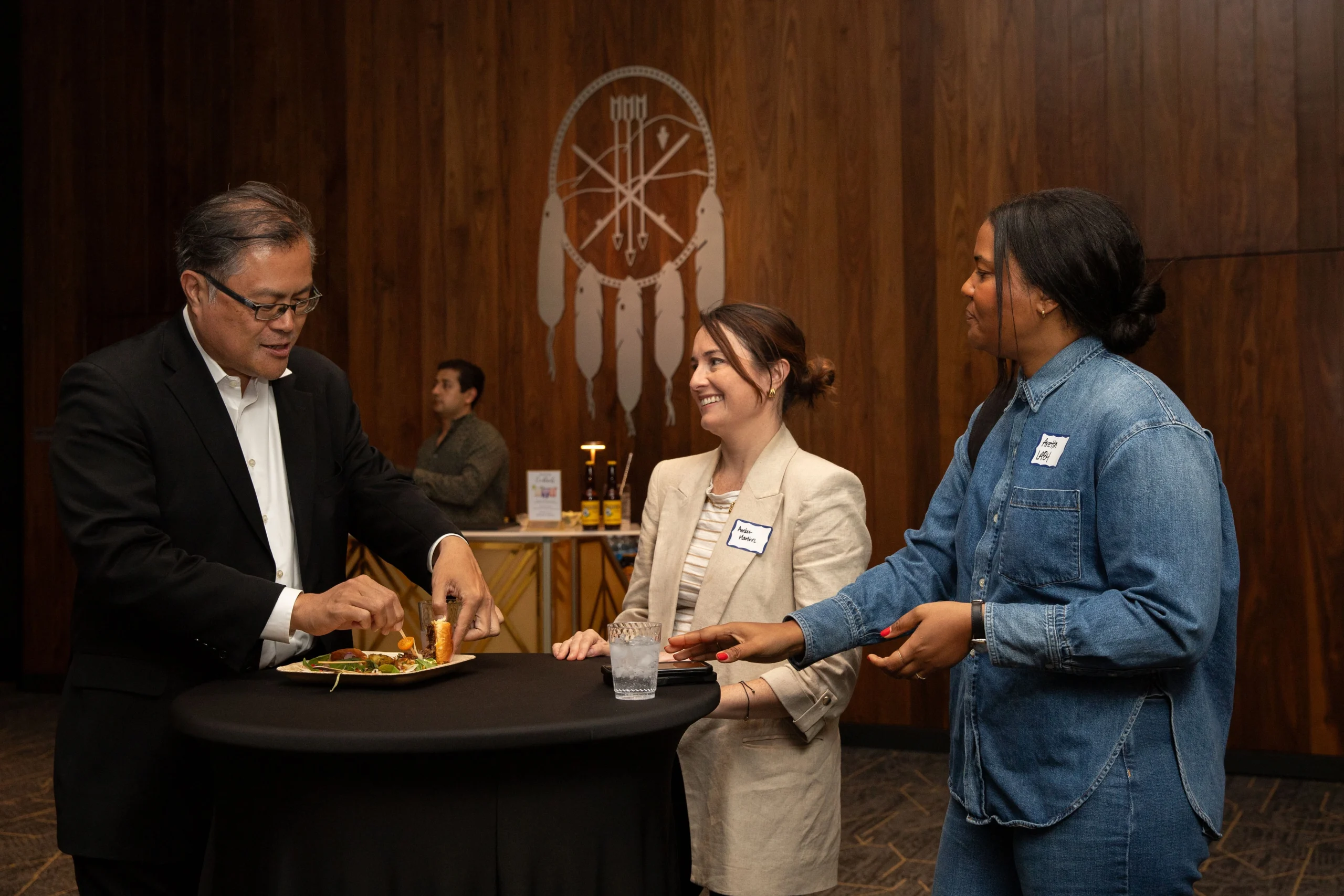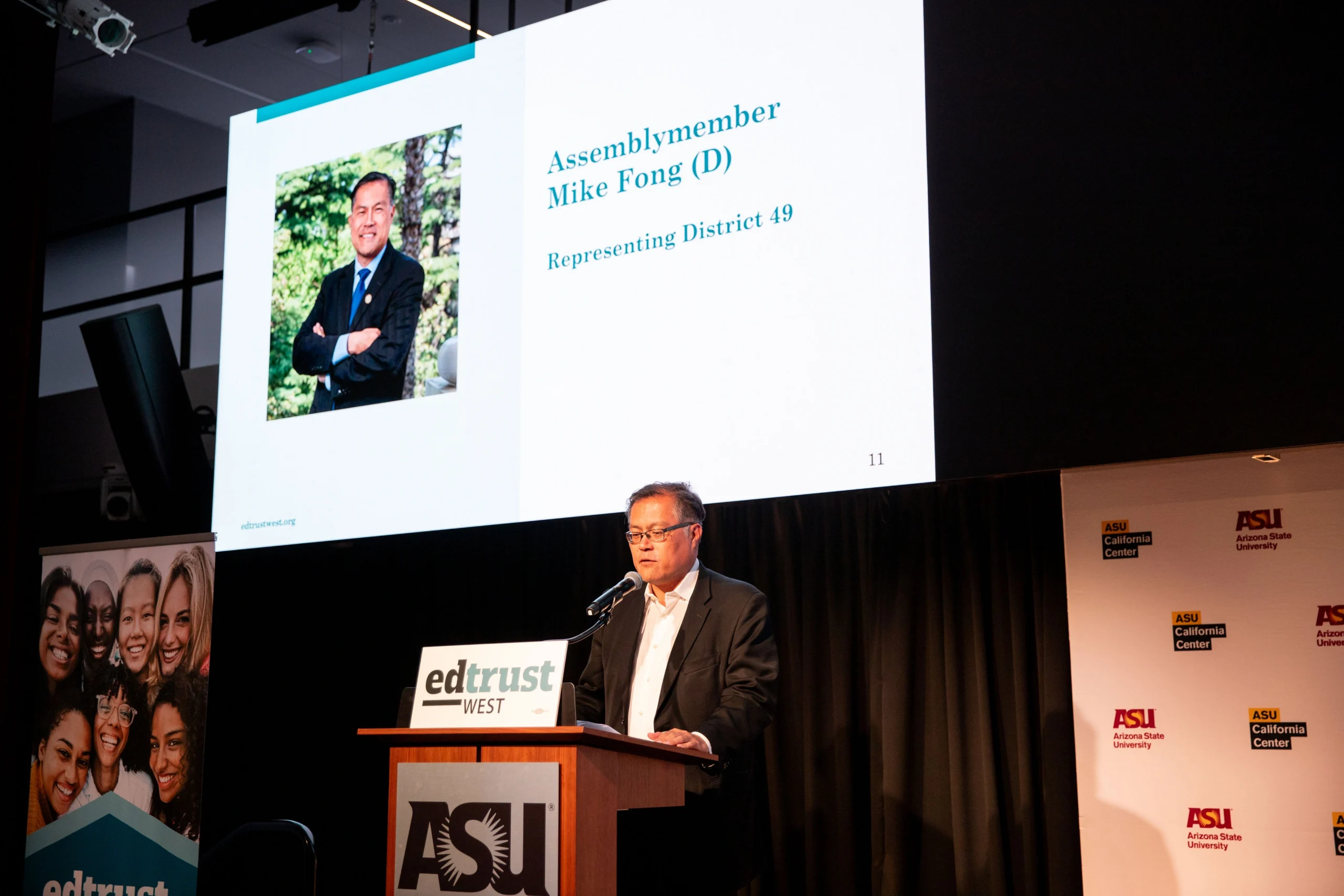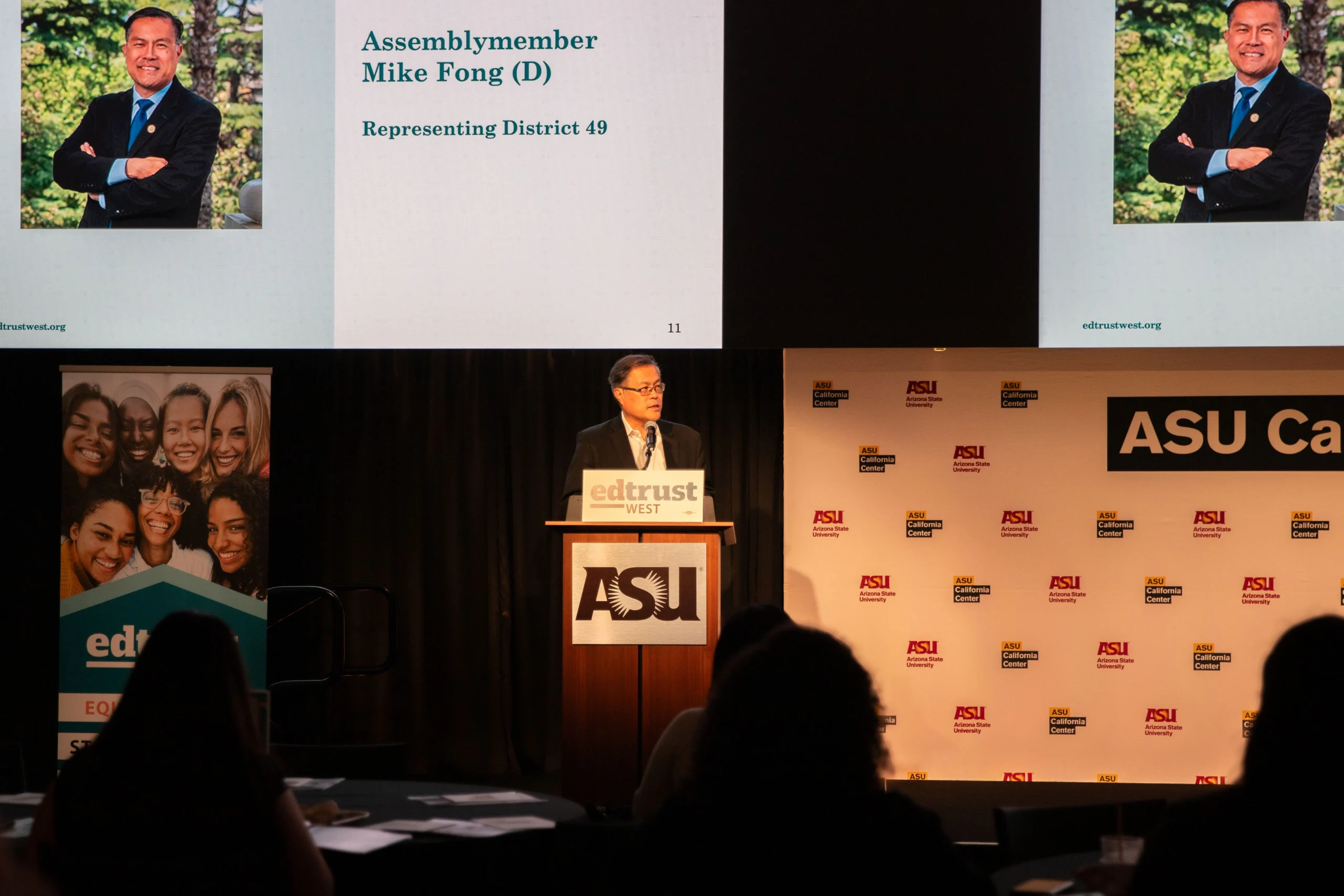

As the director of EdTrust-West’s work in the Greater Los Angeles region, I had the privilege of joining more than 120 parents, educators, students, and community advocates in Los Angeles for a State Superintendent of Public Instruction (SPI) Candidate Forum – an evening I framed as what it truly was: a job interview. California’s next SPI will be the primary advocate for students in Sacramento.
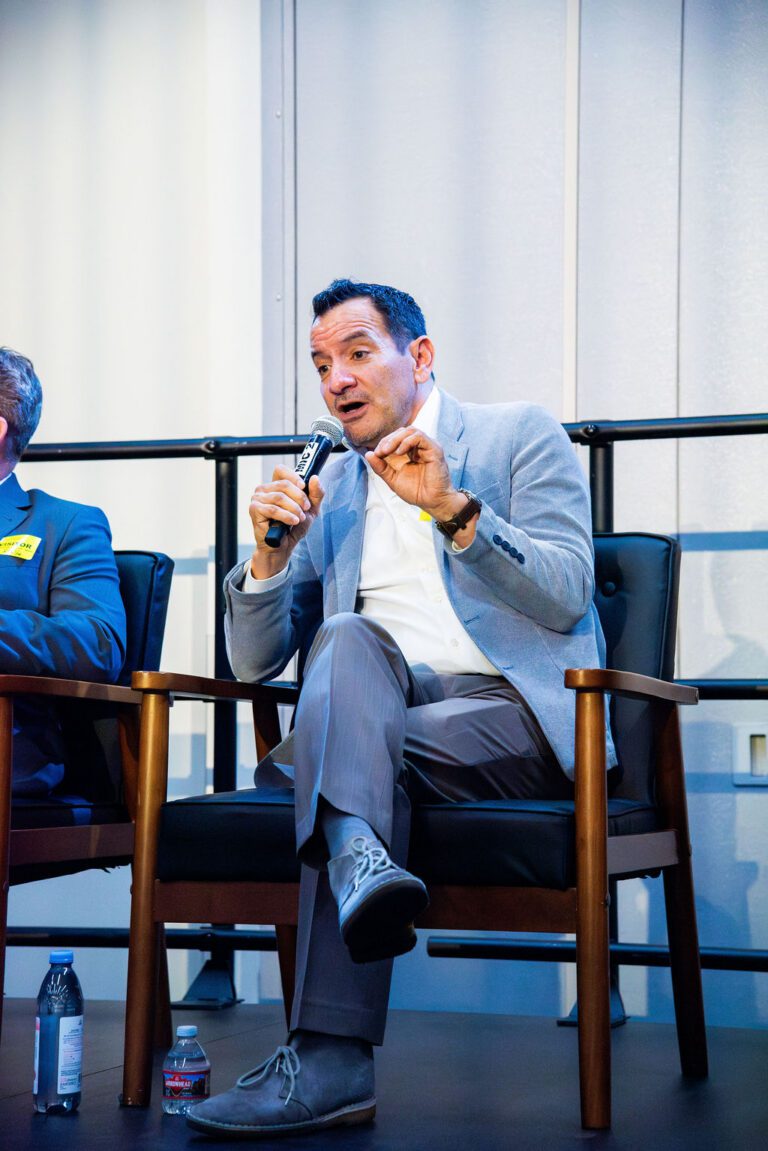
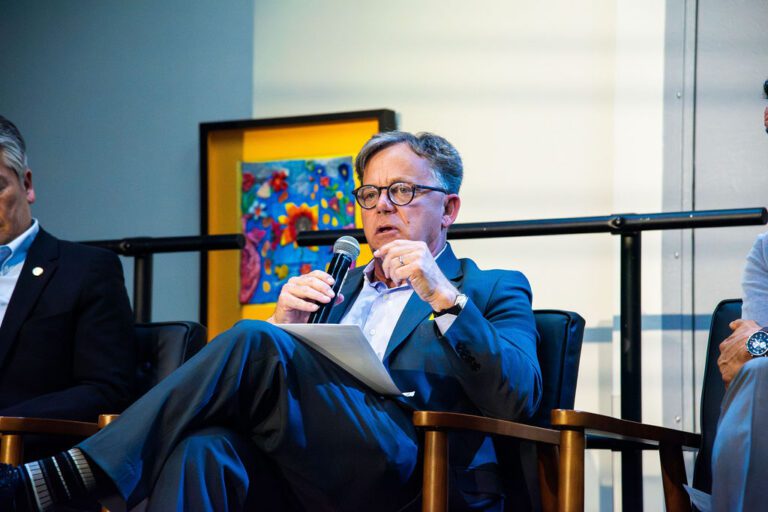
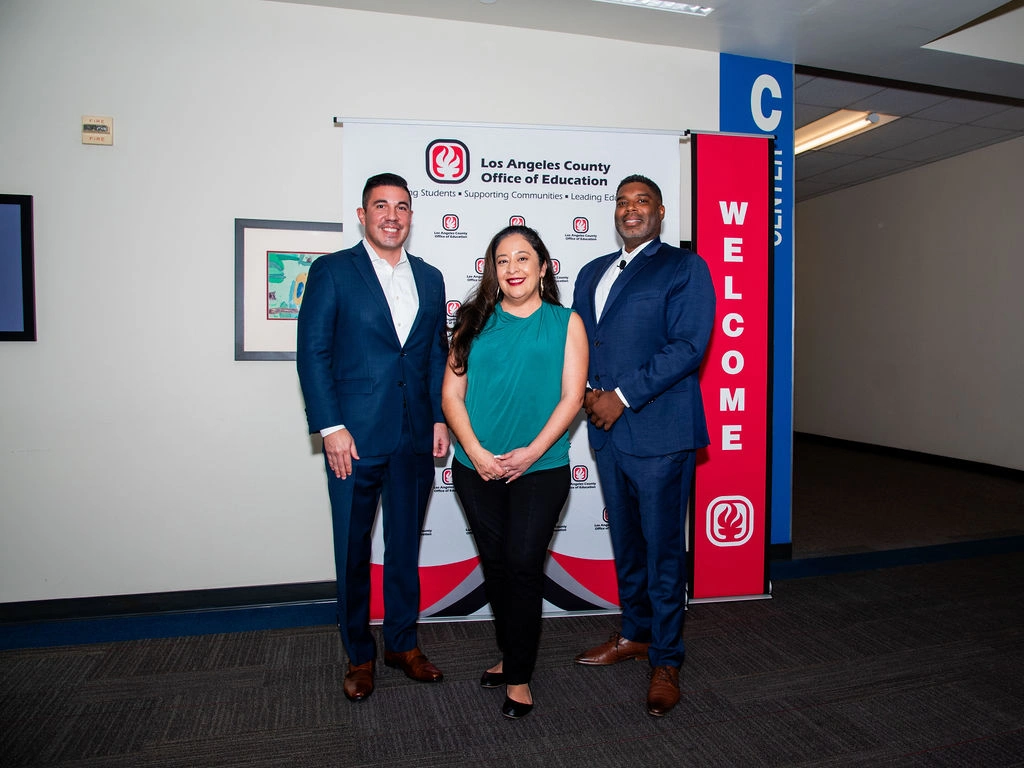
The forum was hosted by EdTrust‑West, as part of our participation in the Alliance for Candidate Engagement in Education, alongside the Los Angeles County Office of Education and regional partners. It reflected a shared belief that California can, and must, do better for its students. All candidates running for SPI were invited to participate, and we were happy to be joined by candidates Richard Barrera, Nichelle Henderson, Anthony Rendon, and Josh Newman. The discussion, moderated by Dr. Christopher J. Nellum, EdTrust‑West’s executive director, made clear that delivering on California’s commitments to students will require leaders grounded not in rhetoric, but in equity, clarity, and action.
The community turnout reflected the ongoing work of local organizations and leaders striving to strengthen civic participation, investment, and attention in the region. The presence of five of the candidates also underscored what many of us know to be true: who holds this office deeply matters.
Why the SPI Race Matters
California is facing educational challenges: ensuring immigrant students and families feel safe and supported; implementing Universal Transitional Kindergarten in ways that truly meet the needs of young learners; recruiting and retaining a diverse educator workforce; and better aligning learning from preschool through college and career.
For me, these challenges are not abstract. As an immigrant and former undocumented student, and later as an educator, I’ve experienced firsthand what it means to navigate systems not designed with students like me in mind. These experiences shape how I understand urgency, and why leadership at the state level matters.
Against this backdrop, the SPI election is about readiness to lead a complex statewide system with courage, competence, and care.
Key Themes from the Forum
The lively discussion amongst candidates surfaced several critical areas where leadership choices will have real consequences for students and educators in California:
Funding and Accountability
Most candidates agreed that California underinvests in its public schools, especially for a state with such significant wealth. Several emphasized the need for stronger alignment between how dollars are spent and whether those investments improve student outcomes, and called on leaders in Sacramento to push for a more equitable school funding system. What remained less clear was how candidates would move from acknowledgment to action, particularly in a political environment where equity‑driven funding reforms face real resistance.
Multilingual Learners
Every candidate affirmed that multilingualism is an asset, not a barrier. They voiced support for expanding dual language programs and for better preparing educators to effectively serve multilingual learners. The message was clear: no student should have to abandon their language or identity to succeed. Feeling safe, seen, and welcomed at school is not extra; it’s necessary for learning. But the conversation also raised an important question: do our current systems truly provide educators with the training, staffing, and resources needed to turn this shared belief into reality across the state?
Proposed Changes to the SPI Role
When candidates were asked about Governor Newsom’s proposal to scale back the power of the State Superintendent of Public Instruction, many expressed concern. They shared a common belief that for them, the Superintendent must be a visible, trusted advocate for public education, not a bureaucratic figure.
From Early Learning to Career
Candidates expressed strong support for early learning, including Transitional Kindergarten, while acknowledging that too many families still struggle to access it. They also emphasized the need for a clearer, smoother path from high school to college and good‑paying jobs. That means expanding opportunities for students to earn college credit early and access apprenticeships that connect learning in the classroom to today’s economy.
Supporting Teachers and Community Schools
Candidates agreed that having a more diverse teacher workforce is about fairness and opportunity. They talked about making it easier and more affordable to become teachers, and about paying educators enough to live in the communities where they work. Many also lifted community schools as a powerful approach to supporting the whole child, by bringing academics together with health care, family services, and stronger connections between schools and the communities they serve. These commitments closely align with what we know works, but intentions alone won’t address teacher shortages or burnout without sustained investments and supportive policies.
In the end, audience questions reinforced a simple truth: decisions made in Sacramento shape daily life in classrooms and communities. Parents, students, and educators showed up not only to listen but to demand clarity, transparency, and leadership in the realities they face daily. Their engagement is an important part of strengthening our education system.
What’s Ahead
Forums like this one offer voters a rare chance to assess not just what candidates say, but how prepared they are to lead a system serving more than six million students.
The LA SPI Candidate Forum was one step in a broader statewide effort to ensure education remains front and center this election season.
At EdTrust‑West, we bring decades of research, policy expertise, and partnership with communities across California to this work. We will continue to push for leadership that centers students of color, multilingual learners, and students experiencing poverty, not just in words, but through action.
There are two additional opportunities to hear directly from SPI candidates:
- San Diego: April 16, 3:30-6 pm
- Fresno: May 14, 5:30-7:30 pm
To stay engaged, visit the Alliance for Candidate Engagement at www.EngageForEdu.org.